Sam Edelman Loraine Bit Loafer
The horsebit loafer is the old-money shoe in its most familiar form. Black suede keeps it quiet.
See price on AmazonAs an Amazon Associate, SAVI earns from qualifying purchases.
TRENDS
Less about heritage, more about tailoring. Here's the actual wardrobe underneath the aesthetic.
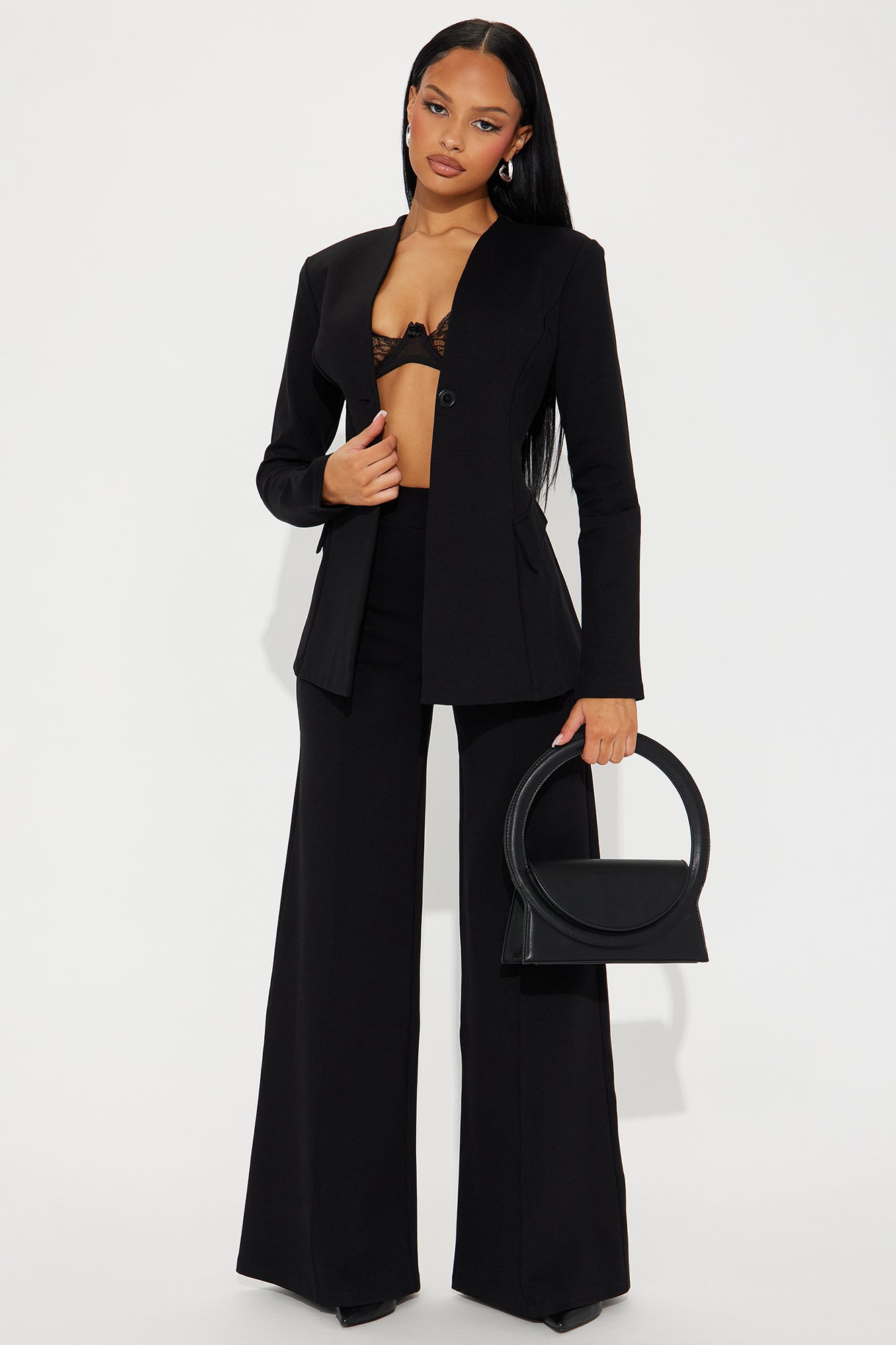
Old-money style translates to tailored, classic pieces in muted, natural colors — camel, navy, cream, forest green — over anything trend-driven or logo-heavy: a good blazer, straight-leg trousers, a cable knit, loafers. The look reads intentional rather than costume-y when the tailoring is precise and the palette stays restrained rather than literal (no crests, no equestrian props).
Old-money style is an aesthetic built on a specific wardrobe, not an actual bank balance, which makes it fully learnable from a set of pieces rather than a lifestyle. The core is tailoring and restraint — classic silhouettes, quality fabric, a palette that's stayed the same for decades rather than chasing whatever's trending this season.
The palette does a lot of the work: camel, navy, cream, forest green, burgundy — colors that read timeless rather than seasonal. Pattern, where it appears, stays traditional — a subtle plaid, a herringbone, a classic stripe — rather than anything loud or graphic. The whole point is looking like the outfit hasn't changed much in twenty years, on purpose.
Pieces to build around: a well-cut blazer, straight-leg or wide-leg trousers, a cable or cashmere knit, a collared shirt, loafers or riding-style boots. None of this needs to be genuinely expensive — the tailoring and the palette discipline matter more than the price tag on any individual piece.
Where old-money style tips into costume is the literal props — an actual crest, equestrian gear worn with no relationship to riding, anything that reads like a theme rather than a wardrobe. The real version is subtler than the internet trend cycle usually renders it: quiet tailoring, not visible signaling.
Getting the palette and proportion right before committing to a full look is easier tested than guessed — render the blazer-and-trouser combination against your own photo, and the line between polished and costume-y gets a lot clearer.
The blazer
Well-cut, in navy, camel, or a subtle pattern — the anchor of the whole look.
The trouser
Straight or wide-leg, tailored, in the same restrained palette.
The knit
Cable or cashmere, in cream, camel, or forest green.
The shoe
Loafers or a riding-style boot — nothing sneaker-adjacent or logo-forward.
Disclosure: Some links below are affiliate links. Savi may earn a commission from eligible purchases at no additional cost to you. Commissions never decide what we list — every piece here fits the formula above. As an Amazon Associate, SAVI earns from qualifying purchases. Read our affiliate disclosure.
On Amazon
The horsebit loafer is the old-money shoe in its most familiar form. Black suede keeps it quiet.
See price on AmazonAs an Amazon Associate, SAVI earns from qualifying purchases.
Savi renders trends on your own photo before you buy a thing. Free to join.
Create your accountDoes old-money style require expensive designer pieces?
No — the tailoring and the muted, classic palette matter more than the price tag. A well-fitted, affordable blazer in the right color reads more old-money than an expensive piece in the wrong silhouette or a loud logo.
How do I avoid old-money style reading like a costume?
Skip the literal props — crests, equestrian gear with no real connection to riding, anything overtly thematic. The genuine version is quieter: restrained color, careful tailoring, nothing shouting the reference out loud.
What colors are central to old-money style?
Camel, navy, cream, forest green, and burgundy — a palette that reads timeless rather than tied to a particular season or trend cycle. Bright or trend-driven colors work against the whole aesthetic.